













Related Posts


The Future of Rural E-Commerce: How India’s Small Towns Can Drive the Next E-Commerce Growth Wave
Introduction:
When we think of e-commerce in India, the first images that come to mind are often large cities like Delhi, Mumbai, or Bengaluru. However, the future of e-commerce in India is increasingly tied to its rural and small-town markets. These areas, often overlooked, are becoming key drivers of growth in the sector.
India’s rural population is vast, diverse, and evolving—making up nearly 70% of the country’s population. With increasing internet penetration, better mobile connectivity, and rising incomes, rural e-commerce is poised to drive the next big wave of growth. Small towns, traditionally underserved by mainstream e-commerce, are now emerging as hotspots for online shopping.
In this blog, we’ll explore how small towns in India are transforming the e-commerce landscape and why entrepreneurs should tap into this rapidly growing market.
The Rise of Rural E-Commerce in India
India’s rural areas have long been viewed as underserved markets when it comes to e-commerce. However, recent developments show that rural consumers are embracing online shopping in increasing numbers. The rise of mobile internet and affordable smartphones is one of the biggest reasons for this shift. According to a report by the Indian government, nearly 50% of India’s internet users now come from rural areas. This represents a massive opportunity for e-commerce businesses to expand into these regions.
As internet accessibility improves, rural customers are gaining more access to e-commerce platforms, which offer products ranging from everyday essentials to luxury goods. They are also becoming more comfortable with digital payments, further fueling this growth.
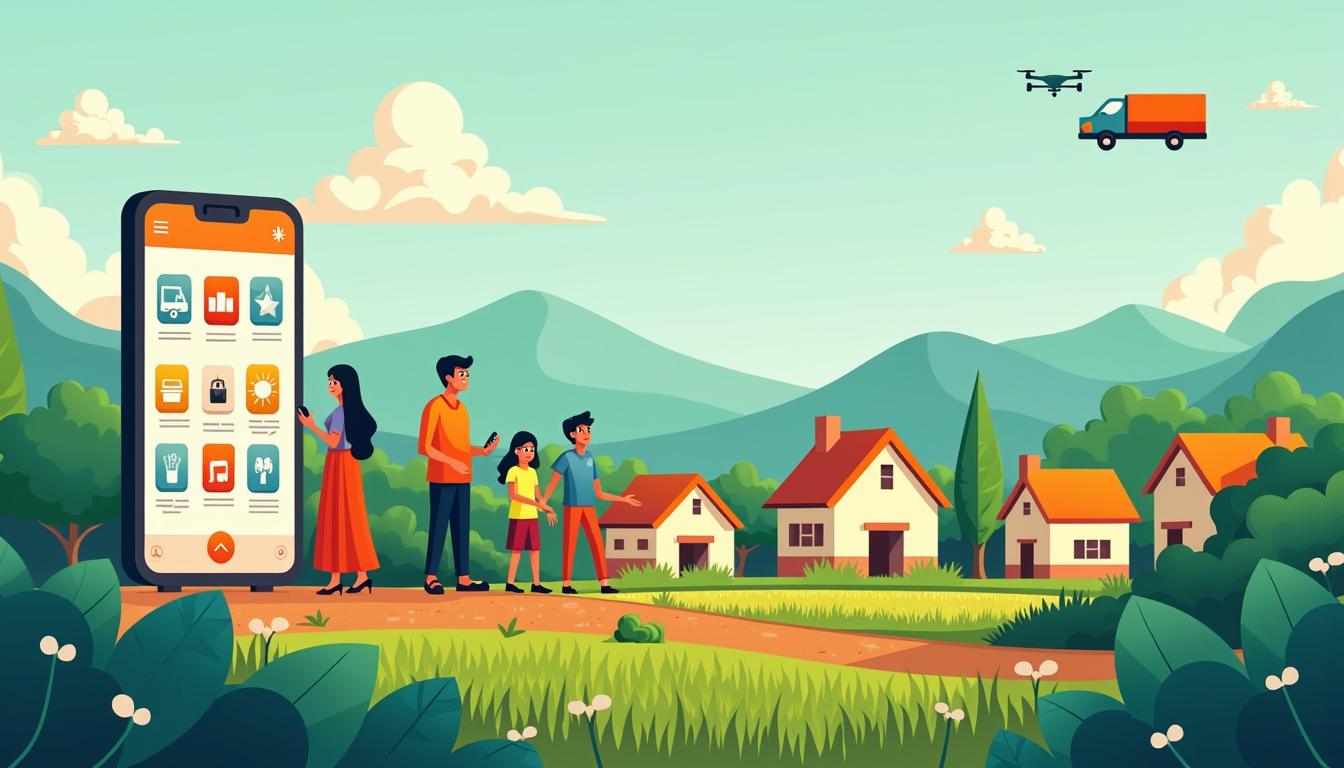
Why Rural E-Commerce is the Future of Growth in India
There are several key factors contributing to the growth of rural e-commerce in India. Let’s take a look at the factors driving this trend:
1. Increased Internet Penetration in Rural Areas
A key enabler of rural e-commerce is the rapid increase in internet penetration across India’s small towns. According to reports, rural internet users have grown by over 50% in the last few years. Mobile internet is becoming increasingly accessible due to lower data costs and the availability of affordable smartphones.
As more people in rural areas come online, the potential for e-commerce growth in these markets expands significantly. This offers a chance for e-commerce businesses to tap into a market that is growing rapidly and still largely untapped by large brands.
2. Growing Disposable Income in Small Towns
Rural areas are undergoing a socio-economic transformation. With rising incomes, more people are willing to spend on goods that were previously out of reach, such as electronics, fashion, and premium products. As more rural families have access to better job opportunities, businesses can meet their demands through e-commerce platforms.
The growing middle class in small towns and rural areas is a promising opportunity for businesses. These consumers are increasingly looking for affordable yet quality products online, making it easier for e-commerce platforms to cater to them.
3. Changing Consumer Behavior and Preferences
Rural consumers are becoming more sophisticated in their buying decisions. They no longer rely solely on local markets and stores for their needs. Instead, they are using online platforms to explore a wider range of products at competitive prices. The ability to compare products, read reviews, and choose from a wide variety of options makes online shopping more attractive than traditional brick-and-mortar stores.
Moreover, rural consumers are increasingly looking for products that meet their local needs. For instance, small towns have unique demands such as agricultural equipment, regional clothing, or locally preferred groceries, which can be easily met through e-commerce platforms offering tailored solutions.
Opportunities for Entrepreneurs in Rural E-Commerce
As an entrepreneur, the opportunities in rural e-commerce are vast. Here’s how small-town India can be a game-changer for your e-commerce business:
1. Targeted Marketing and Hyperlocal Products
Understanding the specific needs of rural consumers is key to building a successful e-commerce strategy. By offering products that cater to the unique requirements of rural and small-town customers, you can create a niche market. For example, agricultural products, home improvement tools, or traditional clothing are areas where demand is on the rise.
Actionable Tip: Use hyperlocal marketing strategies to tailor your online store’s offerings to the preferences of rural customers. By focusing on regional products and local languages, you’ll make your platform more accessible and relatable.
2. Mobile-First Platforms
Given the increasing use of mobile phones in rural areas, e-commerce platforms that are optimized for mobile devices will have a significant advantage. Rural customers are more likely to shop via their smartphones, so ensuring your website or app is mobile-friendly is essential.
Actionable Tip: Make sure your e-commerce website is responsive on mobile devices, with easy navigation and quick load times. A mobile-first approach will help you capture the growing base of mobile shoppers in small towns.
3. Partnering with Local Distributors and Delivery Networks
Logistics is one of the biggest challenges in rural e-commerce. Traditional delivery networks may not be as efficient in rural areas, where infrastructure is still developing. However, partnering with local distributors or delivery partners who understand the region can help overcome this challenge.
Actionable Tip: Establish strong relationships with local delivery partners and distributors who are familiar with the area. Consider offering cash-on-delivery options, which remain popular in rural areas, to make the transaction process easier.
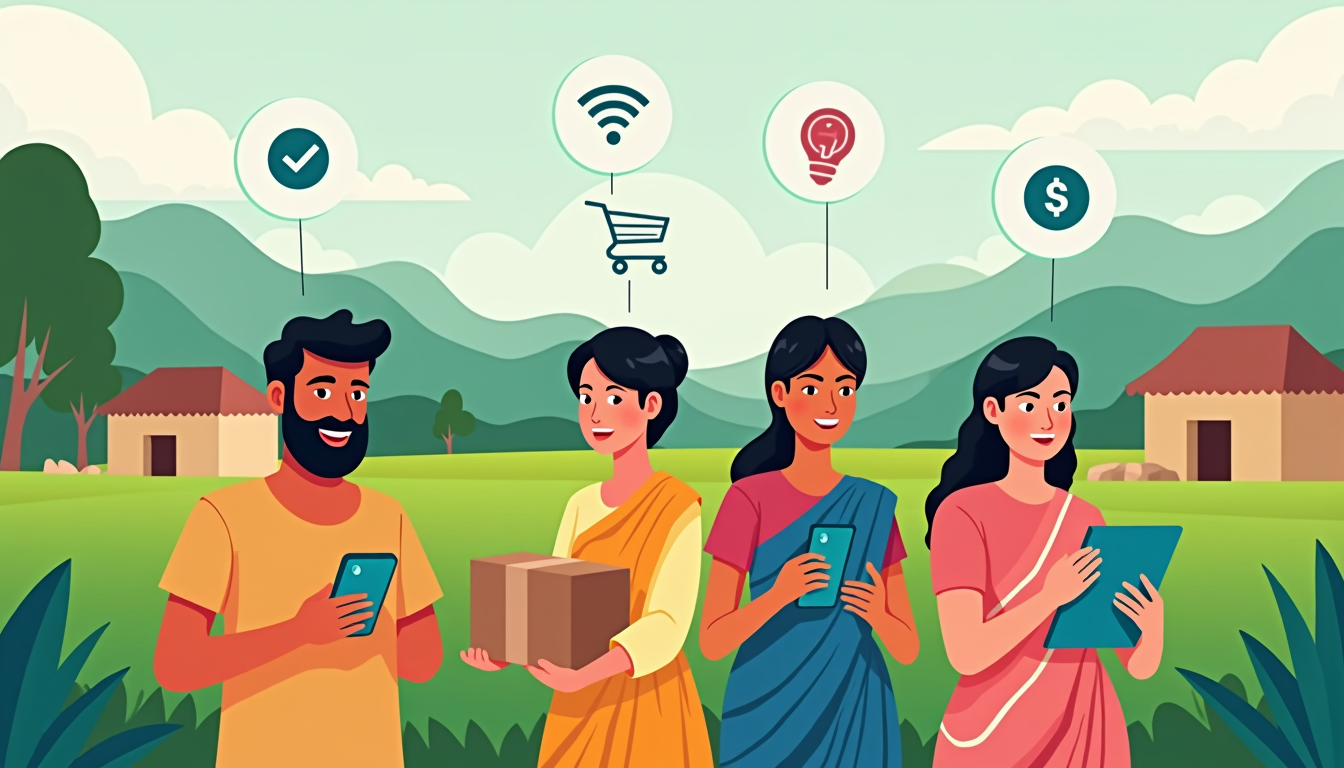
Challenges in Rural E-Commerce and How to Overcome Them
While rural e-commerce presents significant growth opportunities, there are also challenges that need to be addressed:
1. Digital Literacy
While more rural consumers are gaining access to the internet, digital literacy can still be a barrier. Many people in small towns may not be familiar with navigating e-commerce platforms or using digital payment systems.
Solution: You can educate your customers through simple tutorials, videos, and customer support. By making the buying process easier and more user-friendly, you’ll be able to bridge the digital gap.
2. Logistics and Delivery
Rural areas often face logistical challenges due to poor infrastructure, long distances, and limited delivery networks. Ensuring that products are delivered on time and in good condition can be tricky.
Solution: Use local delivery partners and offer flexible delivery options. Some e-commerce platforms in India have overcome this challenge by partnering with smaller, region-specific delivery services that understand the local terrain better.
The Road Ahead: E-Commerce in Rural India
The future of rural e-commerce in India is bright, with millions of consumers in small towns now looking to shop online. Entrepreneurs who focus on understanding and catering to this growing market will be in the best position to thrive.
India’s small towns and rural areas offer huge potential for e-commerce growth. With more affordable smartphones, better internet access, and changing consumer behaviors, these regions are set to drive the next wave of growth for Indian e-commerce businesses.

Conclusion:
Small towns and rural areas in India represent the next big frontier in e-commerce. With the rise of mobile internet, increasing incomes, and evolving consumer preferences, these areas are primed for rapid e-commerce growth. Entrepreneurs who focus on providing localized, mobile-friendly shopping experiences will have a unique advantage.
By understanding the challenges and seizing the opportunities that rural India offers, you can tap into one of the fastest-growing markets in the world. Get started today by developing strategies that cater to the needs of rural consumers, and watch your e-commerce business grow.