











Related Posts

E-Commerce for DIY and Home Improvement: Tapping into India’s Booming Home Renovation Market
Introduction
In recent years, India’s home renovation and DIY (Do-It-Yourself) market has exploded, driven by changing lifestyles, urbanization, and growing online access. With more people looking to personalize their living spaces, the demand for home improvement products has surged, creating significant opportunities for e-commerce businesses. If you’re an Indian entrepreneur in the DIY or home improvement space, now is the perfect time to tap into this growing market and scale your online business.
In this blog post, we’ll explore how you can leverage the power of e-commerce to succeed in India’s booming home renovation industry. From understanding market trends to offering the right products and utilizing effective strategies, we’ll cover everything you need to get started and grow.

1. Understanding the Indian DIY & Home Improvement Market
Relevance
India’s home renovation industry is currently experiencing a growth spurt, with a growing number of consumers investing in their homes. According to a report, the Indian home improvement market is expected to reach ₹78,000 crore by 2025, and e-commerce plays a vital role in this transformation.
Practical Tip
To tap into this market, you need to understand your target audience’s needs. Indian consumers are increasingly looking for budget-friendly, sustainable, and trendy home improvement solutions. Consider focusing on affordable DIY materials, tools, and decor items that cater to different customer segments—from first-time homebuyers to seasoned DIY enthusiasts.
Local Example
Brands like UrbanClap (now Urban Company) and Housejoy are gaining popularity as they cater to the growing demand for home improvement services. However, the DIY trend is growing at an even faster pace, especially with platforms like BuildMyStore.io that help entrepreneurs build their online stores quickly.
2. Product Selection: Key Items for DIY Home Improvement
Relevance
The rise in DIY culture means that Indian consumers are increasingly interested in products that empower them to renovate their homes independently. Tools, paints, home décor, and furniture kits are among the top-selling categories in this niche.
Practical Tip
Ensure that your product catalog includes the essentials for a DIY home improvement project. Popular categories include:
- Power tools and hand tools (drills, saws, screwdrivers)
- Paints and coatings
- Ready-to-assemble furniture kits
- Lighting and electrical products
- Indoor and outdoor decor items
Local Example
Brands like Asian Paints and Berger Paints have successfully capitalized on the DIY trend by launching online tutorials, product kits, and virtual design consultations, driving their e-commerce growth.
3. Creating a Seamless Online Shopping Experience
Relevance
Indian consumers expect a smooth and user-friendly shopping experience, especially when purchasing home improvement products. The ease of online browsing, convenience, and customer support can make or break a sale in this space.
Practical Tip
Optimize your e-commerce platform to ensure a seamless experience:
- Clear product descriptions: Since home improvement involves specific measurements and technical details, ensure your product descriptions are comprehensive and easy to understand.
- Virtual consultations and live chat: Many customers want guidance on product selection or how to execute a renovation project. Offering expert consultations or live chat support can significantly boost conversions.
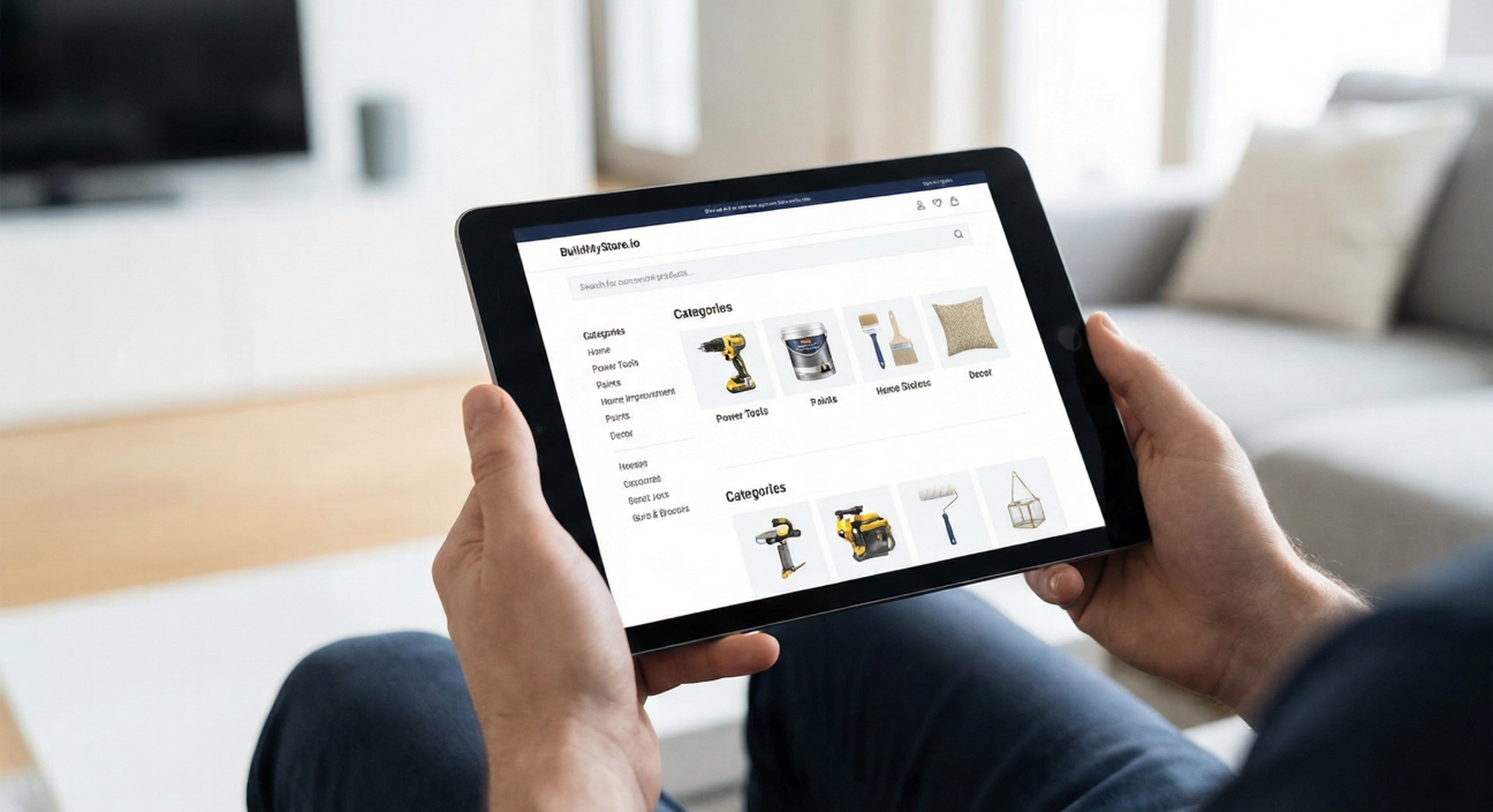
- High-quality images and videos: Home improvement products require clear visual representation. Use detailed product images and videos that show your products in use, providing customers with a better understanding of their functionality and design.
Local Example
Amazon India and Flipkart have made home improvement shopping accessible by allowing customers to compare prices, read reviews, and view instructional videos, making it easier to make informed decisions.
4. Leveraging Local Trends and Customization for Increased Sales
Relevance
Customization is a big trend in the Indian home renovation market. Consumers are not only seeking products but also unique and personalized solutions. Tapping into local design preferences and cultural elements can help businesses stand out in the competitive e-commerce space.
Practical Tip
Offer personalized home improvement kits, or allow customers to create customized products. For example, you could offer:
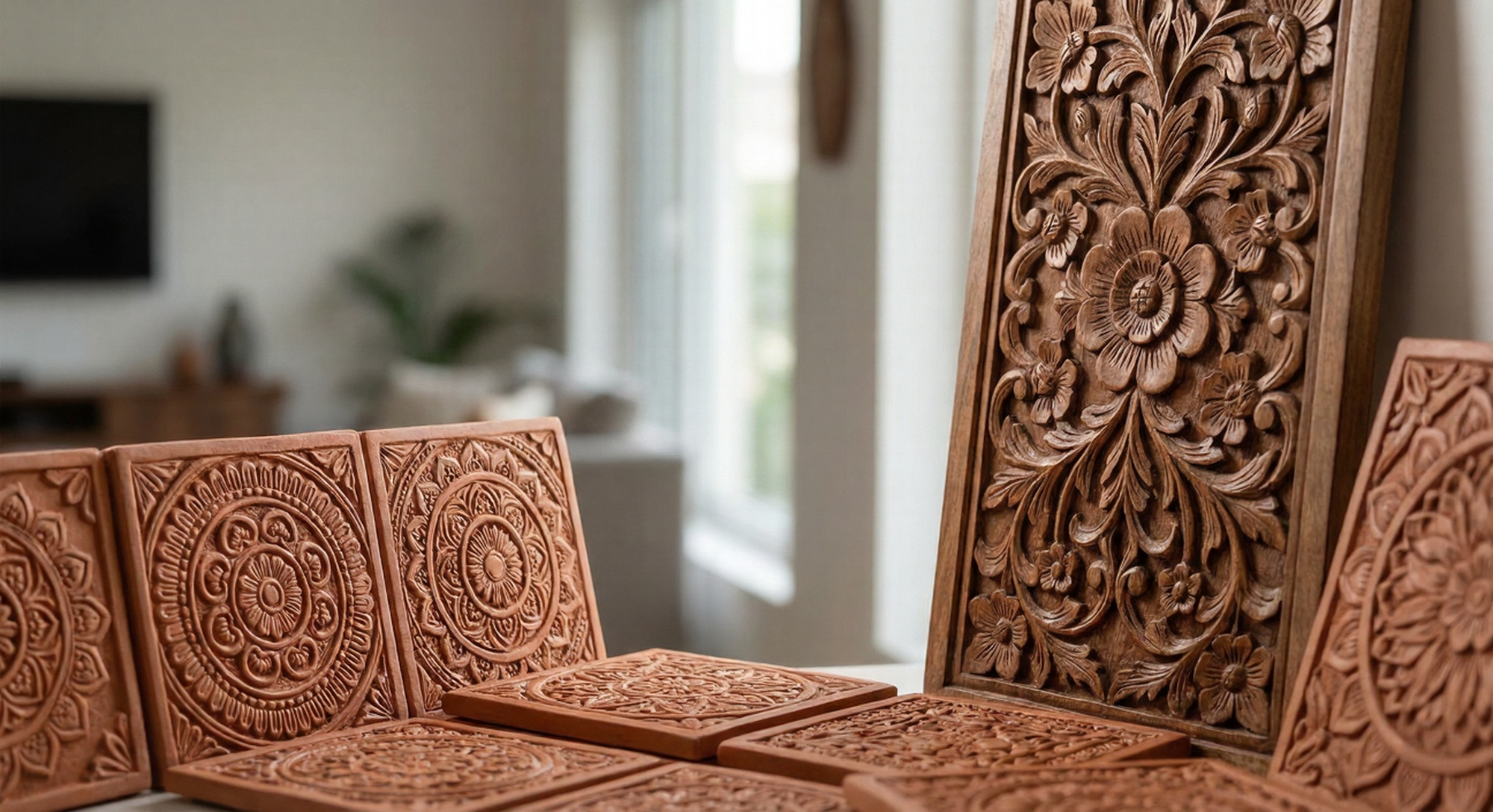
- Custom-made furniture or décor pieces with traditional Indian designs
- Localized DIY kits with regional materials (like terracotta for flooring or handcrafted items for décor)
- Custom paint options based on Indian home design trends, such as traditional or contemporary styles
Local Example
Craftsvilla and The Great Eastern Home have excelled by offering culturally rooted and custom-made products, catering to Indian tastes and design preferences in the home improvement space.
5. Effective Marketing Strategies for DIY & Home Improvement E-Commerce
Relevance
With the increasing competition in the e-commerce market, effective marketing strategies are crucial for standing out and attracting customers. Given the wide range of products in the DIY space, it’s essential to target the right audience with the right message.
Practical Tip
Here are a few marketing strategies that can help boost your e-commerce business:
- Content marketing: Use blogs, social media posts, and videos to educate consumers on home improvement projects, DIY tips, and product tutorials.
- Influencer partnerships: Collaborate with home renovation influencers or DIY bloggers to promote your products.
- Targeted ads: Run targeted ads on platforms like Instagram and Facebook, where you can reach users actively interested in home improvement projects.
Local Example
DIY influencers on YouTube like DIY Vlogs and Home Improvement with Manoj have amassed large followings by sharing tips, tricks, and product recommendations. Partnering with such influencers could drive awareness and sales for your e-commerce store.
Conclusion
India’s home renovation market is booming, and the DIY trend is here to stay. As an e-commerce entrepreneur, now is the time to capitalize on this trend by offering the right products, creating a seamless online shopping experience, and tapping into local customization preferences.
Start small, cater to the specific needs of your target audience, and continuously refine your offerings based on market demand and customer feedback. By leveraging e-commerce platforms like BuildMyStore.io, you can easily set up your online store, optimize it for success, and watch your business grow.
Ready to dive into the DIY home improvement market?
Visit BuildMyStore.io and start building your e-commerce store today!