


During the festive season (Diwali, Navratri, Eid), consumer spending peaks. Customers have already committed to a main purchase. This presents a prime opportunity to gently encourage them to add one small, high-value item before they complete the transaction. This cross-sell technique is designed to increase your Average Order Value (AOV) significantly.
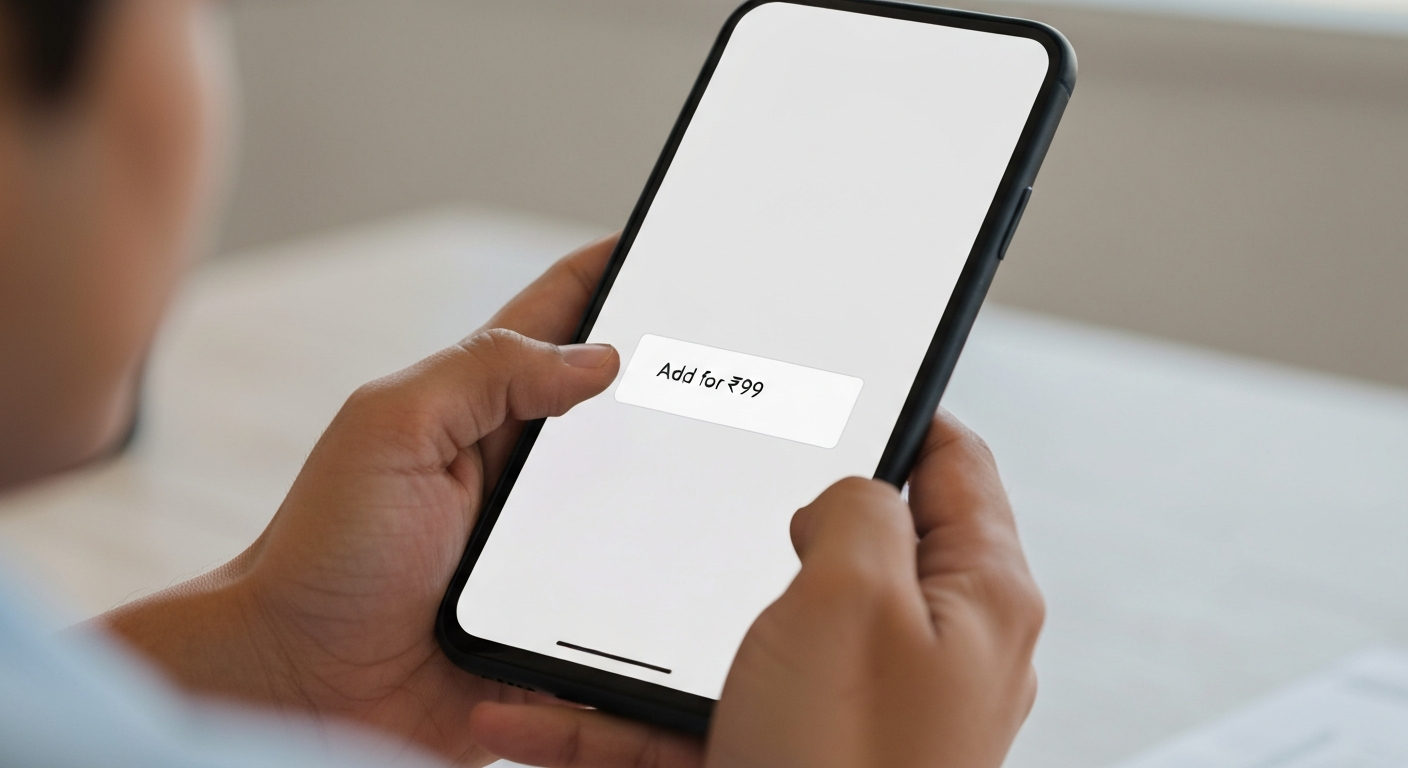
The secret lies in the ₹99 Rule: Offer a compelling, low-cost product (priced typically between ₹99 and ₹199) that perfectly complements the primary item. The modest price eliminates decision-making friction, turning the suggestion into a profitable impulse buy.
This strategy does not require complex software. Your simple e-commerce platform, such as BuildMyStore.io, provides the native tools specifically for product pages and checkout flow to execute this effective marketing strategy with immediate results.
1. The Psychology of the Rule: Why ₹99 Converts
The human mind processes substantial purchases with caution, but small, useful, complementary items are often added on impulse. This psychological principle is fundamental to instantly raising your AOV.
• Low Perceived Risk: An item priced under ₹150 presents minimal financial risk. The customer finds the justification for the added expense effortless.
• High Utility: The item must immediately enhance the main purchase (e.g., specialized cleaner for footwear, or a premium ribbon for a gift). This complementary value validates the customer’s purchasing decisions.
• Direct Bottom-Line Impact: These low-cost items often carry high profit margins, providing a substantial boost to your bottom line without requiring significant additional effort or inventory risk.
Target actionable keywords like ‘boost festive AOV’, ‘e-commerce cross-sell strategy’, and ‘impulse buying hacks’ to attract SMEs focused on measurable financial growth.
2. Operationalizing the Hack: Setting Up the Add-On Product
To successfully execute the ₹99 Rule, your small, impulse products must be strategically optimized for immediate perceived value.
Setting Up Your Inventory and Listings:
- High-Margin SKUs: Clearly identify small, high-margin products (e.g., specialized care kits, simple accessories, or upgraded packaging). These are your designated “Add-On” products.
- Compelling Description: Even for a low-priced item, use your product pages to articulate its value instantly. Example: “Add this premium dust bag for just ₹99 to ensure the longevity of your main purchase.” This quickly secures the sale.
- Inventory Assurance: Ensure robust stock levels for all designated add-ons. Running out of an impulse item during a festive marketing campaign represents a preventable loss. Apply smart business operations to manage this specific stock.

Transparency is vital. Displaying the Maximum Retail Price (MRP) and the low final selling price builds consumer trust and reinforces the value proposition.
3. Deployment: Injecting the Add-On into the Customer Journey
The success of the ₹99 Rule hinges entirely on the timing of the suggestion. The ideal location is after the customer commits to the primary purchase (the Cart page) but before they finalize the payment.
Maximizing Conversion at Checkout:
- Strategic Placement: Utilize the native banner or pop-up space available on the Cart or Checkout Summary page. This is the last, crucial moment before the final conversion click.
- Clear Messaging: The message must be concise and focused on the benefit. Use language such as: “A smart addition! Add X for only ₹99 to complete your purchase.”
- Mobile Optimization: Since a majority of sales occur on a mobile device, ensure this suggestion is visible yet discreet. A seamless shopping experience is one that guides the customer without frustrating them.
- Analysis and Refinement: Utilize your platform’s reporting to track two core metrics: the Take Rate (the percentage of customers who add the item) and the corresponding lift in AOV. This data allows you to refine your marketing strategy for future campaigns.
Customer Engagement: A well-timed, relevant suggestion is perceived as helpful, keeping customers engaged and affirming their positive e-commerce trust signals.
4. The Loyalty Payoff: Turning Impulse into Retention
Successfully implementing the ₹99 Rule does more than boost one sale; it creates a positive perception of your brand’s efficiency and attention to detail, which is instrumental in increasing customer loyalty.
- Data-Driven Loyalty: Analyze the customer data from these add-on purchases. If a loyal customer frequently buys a specific accessory, use this insight for personalized promotions, further strengthening brand loyalty.
- Social Proof Generation: A customer pleased with both the main purchase and the useful add-on is highly likely to leave positive reviews or share their experience on social media platforms. This generated social proof attracts potential customers and validates your products and services.
- Confidence Building: By making the transaction painless and the extra item useful, you ensure the customer continues to feel confident in all subsequent transactions, guaranteeing a high repeat purchase rate.

Final Goal: The ₹99 Rule is a simple, high-return business operations tactic that secures the highest possible value from every festive visitor.
Conclusion: Maximizing Every Festive Click
The key to a highly profitable festive season is maximizing the value of the traffic you already possess. By adopting the simple ₹99 Rule and strategically placing low-cost, high-value add-ons at the point of decision, you ensure your Average Order Value (AOV) rises significantly without relying on aggressive discounting.
This approach is efficient, effective, and utilizes the core functionality of your platform perfectly. Ready to secure your biggest festive profits yet? We encourage you to create your free store in BuildMyStore.io and start selling today.
Frequently Asked Questions
What is the ₹99 Rule in e-commerce?
The ₹99 Rule is a cross-selling strategy where you offer a low-cost, high-utility product priced between ₹99 and ₹199 at the checkout stage. This encourages impulse buys and increases the overall order value without adding decision friction for the customer.
How does impulse buying increase festive AOV?
During festivals, customers are already in a buying mindset. By suggesting a small, useful add-on when they have already committed to a main purchase, you can easily increase the total transaction amount, thereby boosting your Average Order Value (AOV).
Do I need special software to set up add-on products?
No special software is needed. Modern e-commerce builders like BuildMyStore.io provide native tools to manage product pages and checkout flows, allowing you to easily display add-on suggestions on the cart page.